On September 12, 1957, market researcher James Vicary held a press conference that made a new term famous.
Vicary claimed to have developed “hidden” ads that could be used in movies and TV shows. Ads that flashed by so quickly they were not consciously noticed by viewers, but affected their buying habits.
He coined the term “subliminal advertising” to describe this technique.
The term and concept generated widespread attention from claims he made at his press conference.
Vicary said he’d conducted a six-week experiment at a movie theater in Fort Lee, New Jersey.

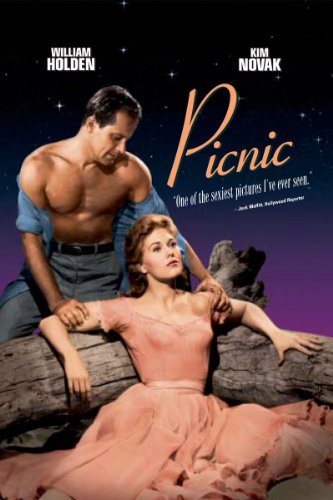
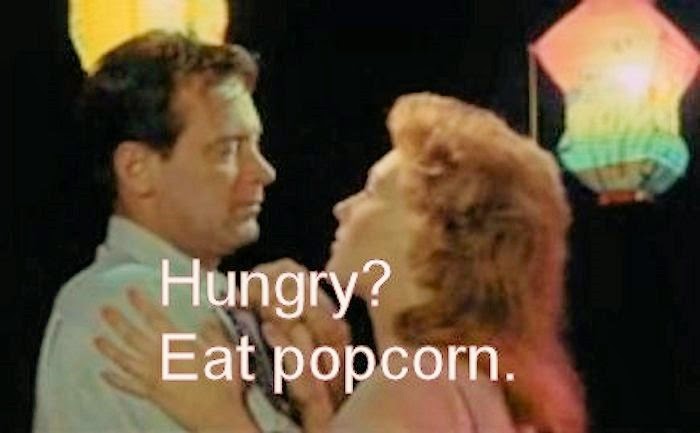
As viewers watched the movie Picnic, he supposedly used special equipment to flash two phrases on the screen for one three-thousandth of a second every five seconds – so fast that they were below the threshold of conscious perception.
One hidden message was “Hungry? Eat popcorn.” The other was “Drink Coca-Cola.”
Vicary claimed his subliminal ads increased Coke sales at the theater by 18% over normal levels and boosted popcorn sales by 57%!
This revelation may have sounded good product manufacturers, but alarmed and outraged the public and the media.
In 1958, the National Association of Broadcasters proactively banned the broadcast of subliminal ads.
But scientists who looked into Vicary’s research soon debunked the idea that such ads have any real effect.
Vicary later admitted he had falsified the data. In fact, it’s questionable whether he actually even conducted the Ft. Lee movie experiment.

Despite that, the bogeyman of “subliminal advertising” was launched into our language and cultural consciousness.
The issue of subliminal advertising made headlines again during the 2000 presidential campaign that pitted Republican George W. Bush against Democratic nominee Al Gore.
In September, a Republican attack ad aired on national television briefly flashed the word “RATS” on screen right after showing a photo of Gore, as the announcer ominously warns that under Gore’s health care plan “bureaucrats” would make medical decisions.
If you watch the “RATS” ad very closely on YouTube, you will see that those four letters actually seem to be the tail end of the word “BUREAUCRATS” as that word is “flown into” the screen.
Is that true “subliminal” advertising? Maybe. Maybe not.
But the “RATS” ad drew outraged complaints from Democrats and created a media uproar.
So, on September 12, 2000, Bush responded to the controversy by uttering a classic Bushism :
“I wanna make it clear to people that, you know, the idea of putting subliminable messages into ads is, is ridiculous.”
Yes. He actually said “subliminable.”
In fact, he said it several times that day when addressing the ad hubbub.
And, that’s why the date September 12th is linked to both the original term “subliminal advertising” and to the newer, um, word “subliminable.”
It’s an incredidable coincidence!
* * * * * * * * * *
Comments? Corrections? Post them on the Famous Quotations Facebook page.
Related reading and viewing…