THE FAMOUS POETRY QUOTE:
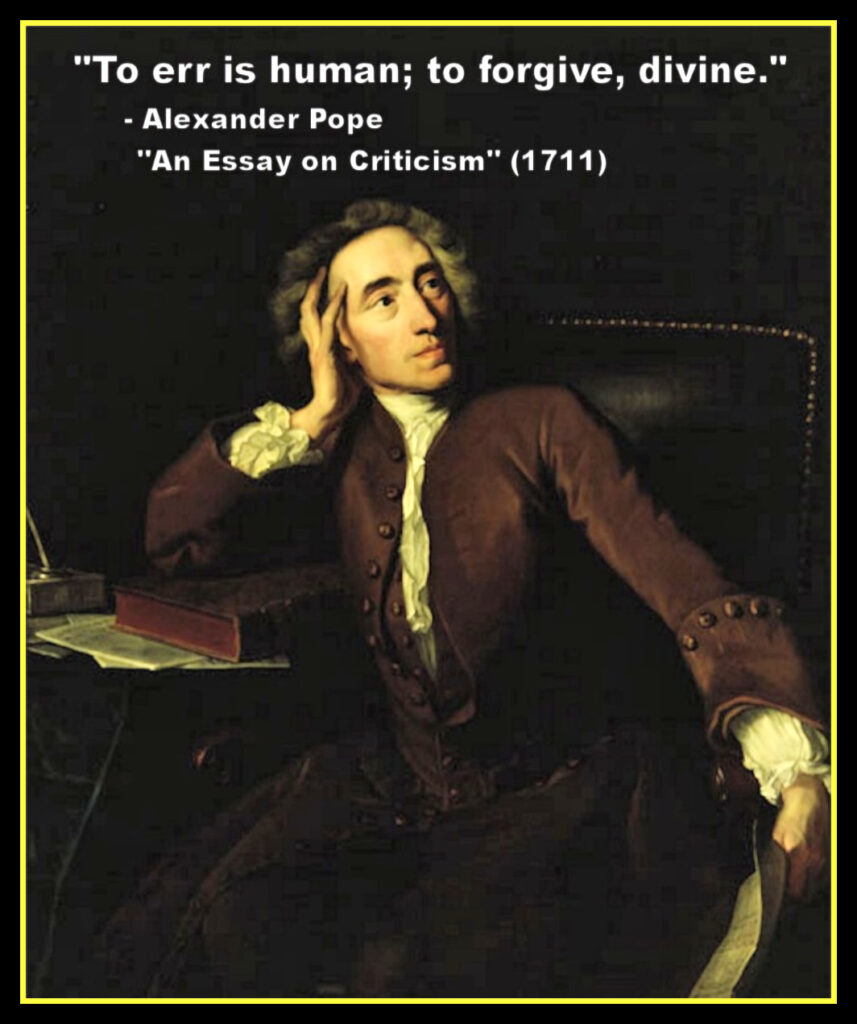
“To err is human; to forgive, divine.”
Alexander Pope (1688-1744)
English poet
The modernized version of line 525 of Pope’s poem An Essay on Criticism, Part II (1711)
In the original poem, first published on May 15, 1711, the line is given as “To err is humane; to forgive, divine.” Pope’s word “humane” was not a spelling error. At the time, humane was the common spelling used for the word human.
An Essay on Criticism was Pope’s first major work. Although the title calls it an “essay” it’s actually written as a poem, in the rhyming heroic couplet format. “To err is human; to forgive, divine” is one of three well-known quotes from the poem. The others are “a little learning is a dangerous thing” and “fools rush in where angels fear to tread.”
Pope didn’t create the phrase “to err is human.” That’s the traditional English translation of the ancient Latin proverb “Errare humanum est.” However, by adding “to forgive, divine” he did create the longer saying that is still commonly used and adapted for both serious and humorous purposes.
The usual meaning ascribed to Pope’s version is that every human can make a mistake, so we should forgive those that do, just as God is said to show his divine mercy in forgiving sinners. The line comes at the end of a stanza in the poem that discusses (in an amazingly obtuse and flowery way) how writers sometimes overly praise or harshly criticize other writers.
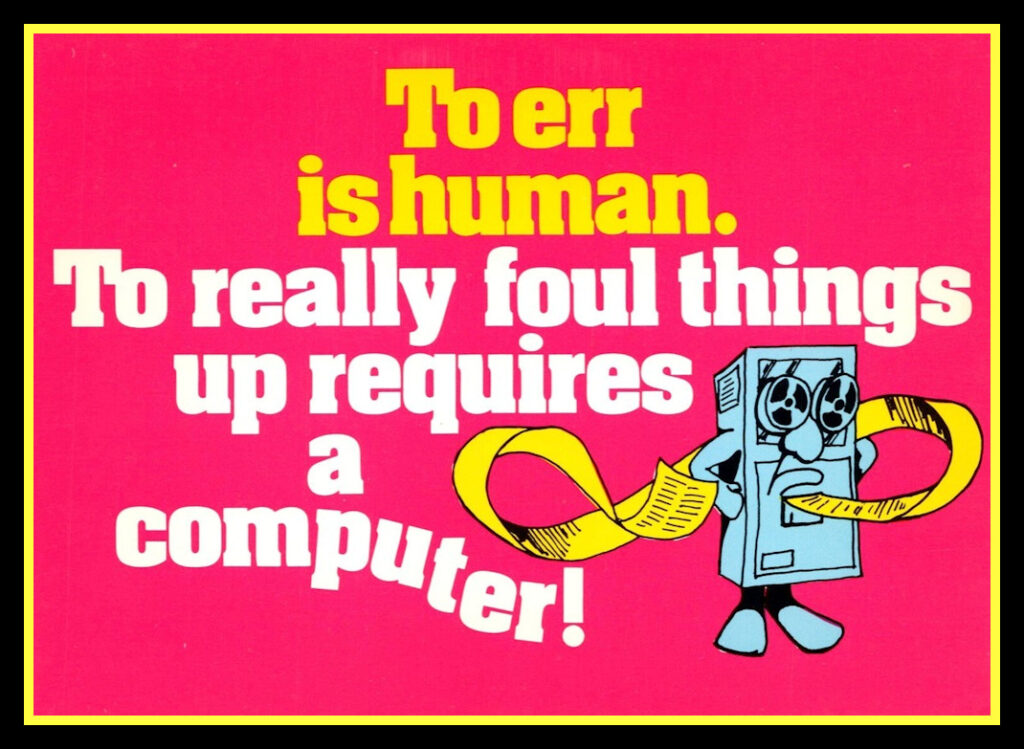
THE COMPUTER PRINCIPLE:
“To err is human; to really foul things up requires a computer.”
This modern witticism is widely attributed to American biologist and author Paul R. Ehrlich, though it doesn’t appear in his books and I could find no record of him using it in a speech or interview.
A post on the authoritative Quote Investigator site notes that the earliest documented use of the saying was by Virginia newspaper columnist Bill Vaughan in 1969.
THE ARTIFICIAL INTELLIGENCE VARIATION:
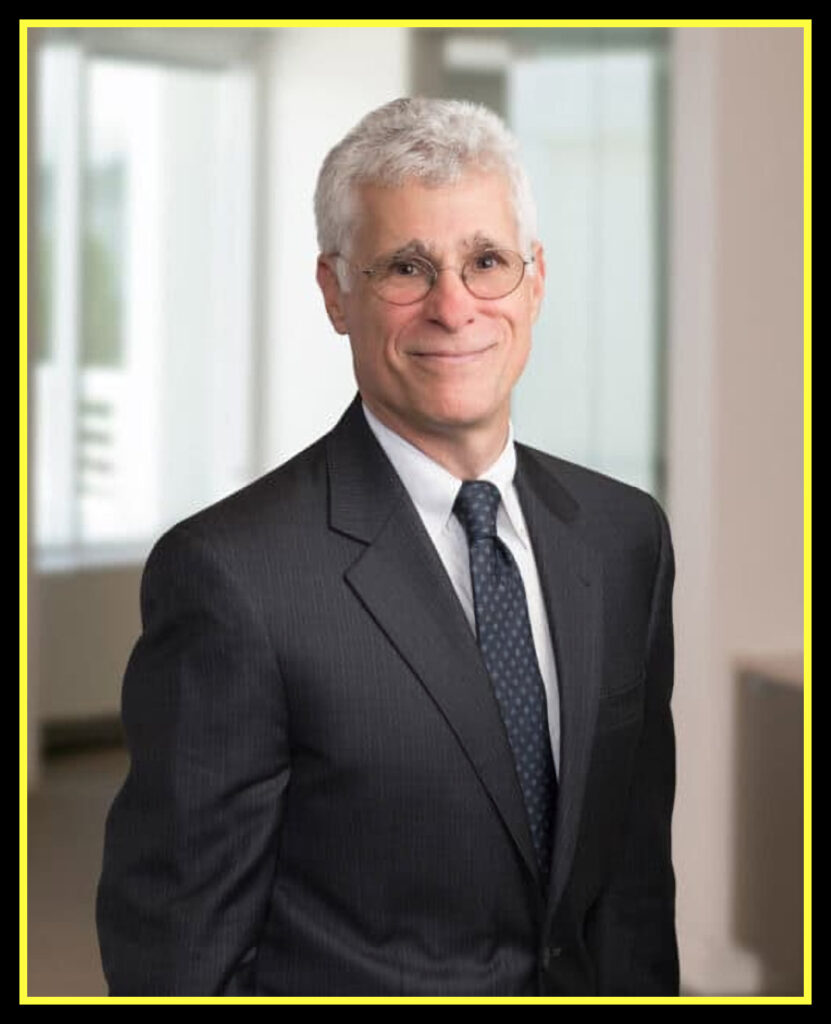
“To err is human, but Artificial Intelligence will make human errors worse.”
David A. Reiser
A lawyer at the Zuckerman Spaeder litigation firm
The title of a post Reiser wrote on the firm’s website
In the post Reiser warned that “using Artificial Intelligence (‘AI’) to ‘automate’ criminal appeals instead raises the concern that common flaws in contemporary judicial decision-making will only get worse if we cede legal writing to AI Large Language Models.” Since AI sometimes gets things wrong, the same warning seems applicable to many other uses of AI.

THE ETHICALLY-CHALLENGED POLITICIAN VARIATION:
“To err is human. To forgive is divine, but to repeat is stupid.”
Jaime Cardinal Sin (1928-2005)
Catholic Archbishop of Manila
When Sin made this comment in 2002 he was referring to certain politicians in the Philippines. But it reminds me of a certain American politician sometimes known as “Carlos Danger.”
THE ETHICALLY-CHALLENGED LAWYER’S VARIATION:
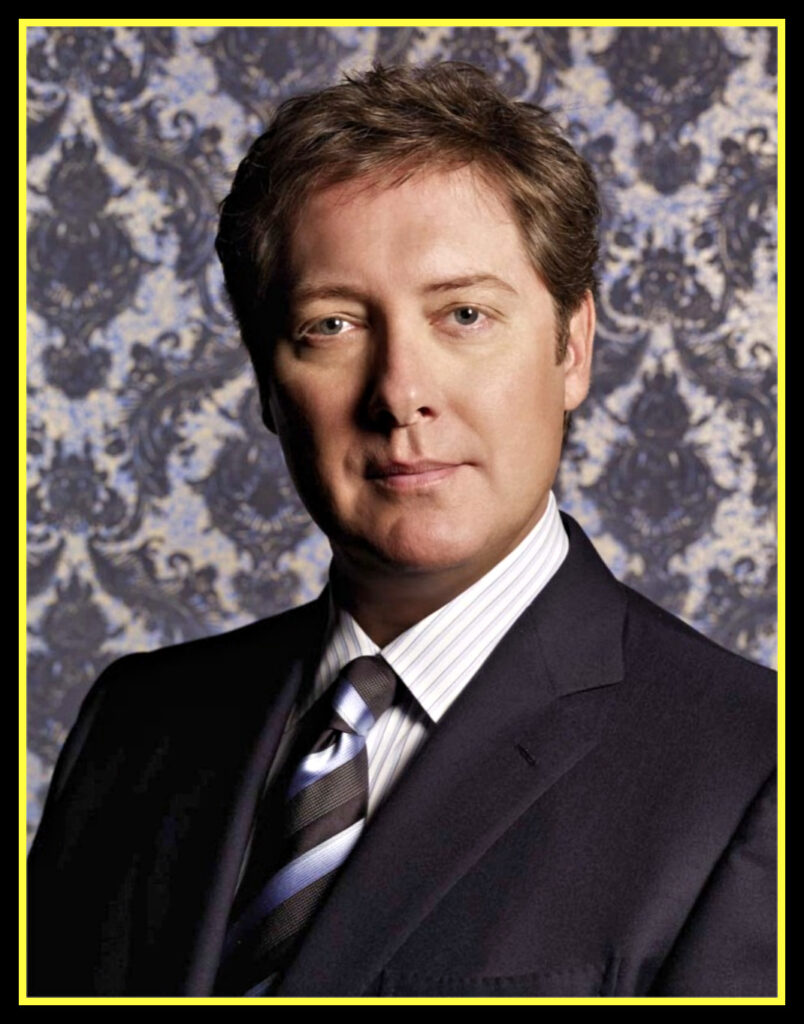
“To err is human, but to get even? THAT is divine.”
Alan Shore (played by actor James Spader)
Shore, one of the lawyer characters in the TV series The Practice, makes this quip in the episode “Equal Justice” (first aired December 7, 2003)
THE ETHICALLY-CHALLENGED CORPORATIONS VARIATION:
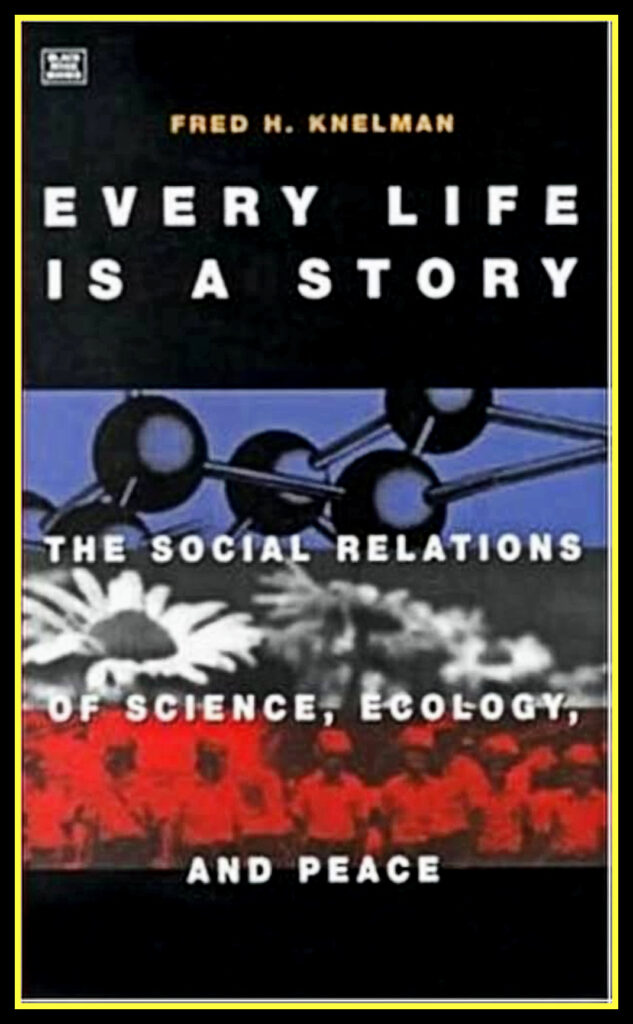
“When it comes to the scope of environmental threat, to err may be human, but to repeat the error is criminal, and to make a profit out of it is obscene.”
Fred H. Knelman
British Physicist, author and founder of Scientists For Social Responsibility
In his book Every Life Is A Story: The Social Relations of Science, Ecology and Peace (1998)
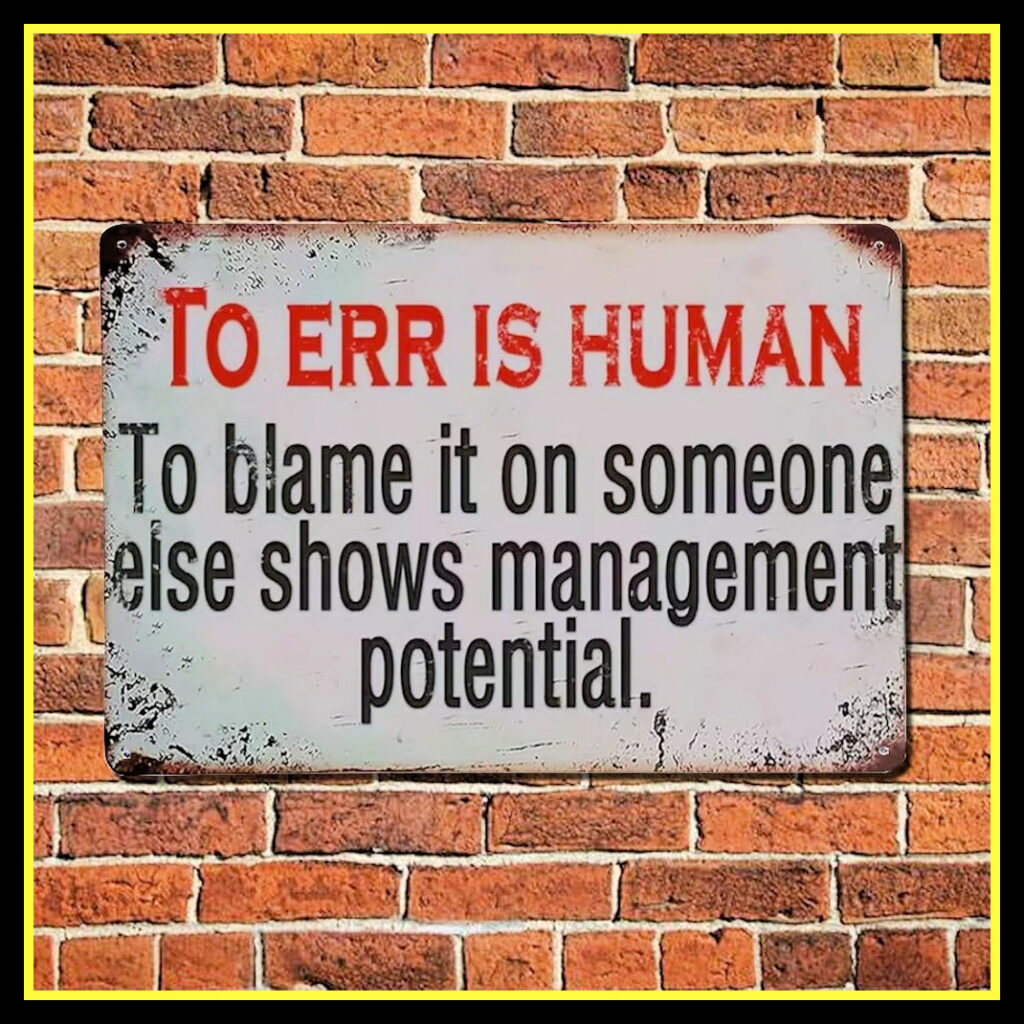
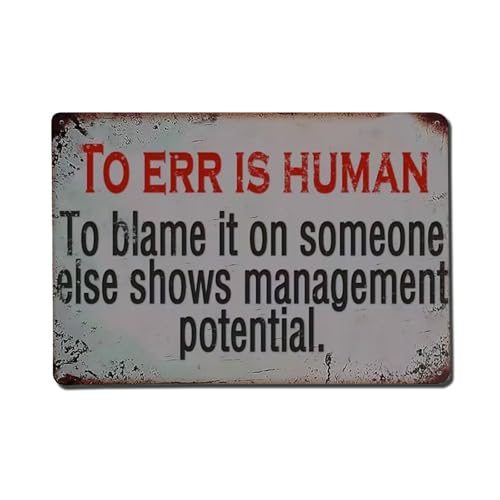
THE PETER PRINCIPLE VERSION:
“To err is human. To blame it on someone else shows management potential.”
A sign you can buy on Amazon

THE BERKELEY CITY COUNCIL PRINCIPLE:
“To err is human but to really screw up it takes the Berkeley City Council.”
Gordon Wozniak
Berkeley, California City Council member
His comment on the controversy over a February 2008 Berkeley City Council resolution proposing a letter from the Council to the U.S. Marines stating that Marine recruiters were “unwelcome intruders” in the city. Wozniak’s pointed barb was quoted in various newspapers and magazines at the time.
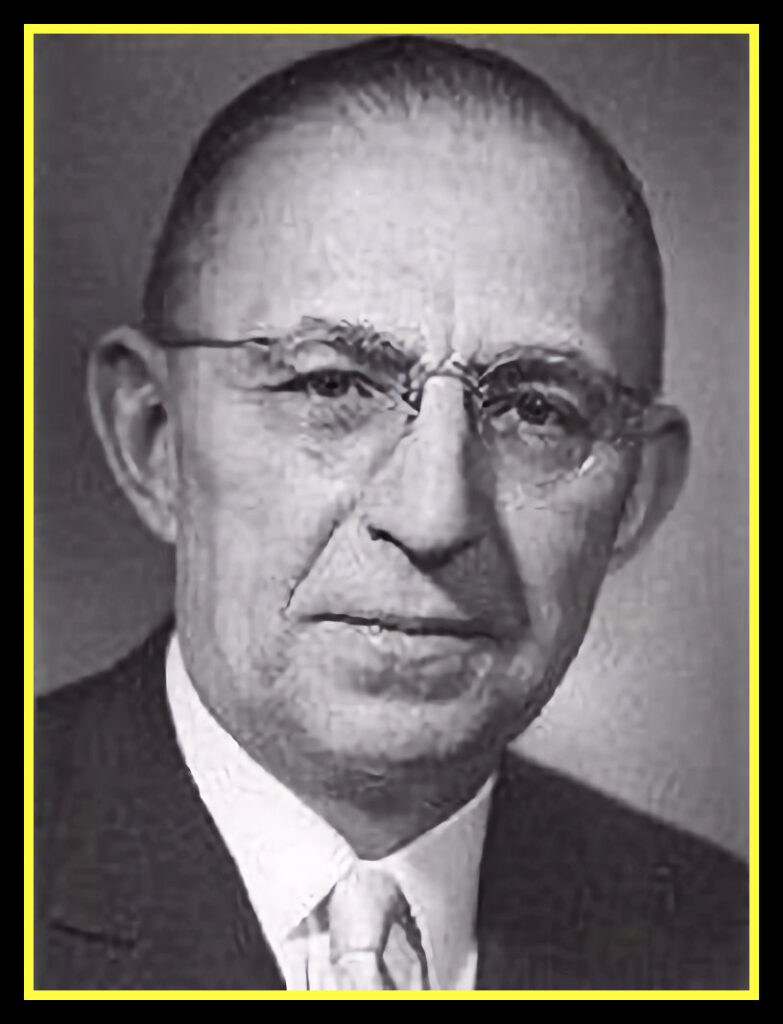
PROCHNOW’S PRINCIPLE:
“To err may be human, but to admit it isn’t.”
Herbert V. Prochnow (1897-1998)
U.S. bank executive, toastmaster and author
In his book 1001 Ways to Improve Your Conversation & Speeches (1952)

THE CANOPHILISTS’ VIEW:
“To err is human; to forgive, canine.”
This saying, which dog lovers know is poignantly true, dates back to at least the mid-1800s.
* * * * * * * * * *
Comments? Corrections? Questions? Post them on the Famous Quotations Facebook page or email me at the email address shown on the “About” page for this blog.
RELATED READING AND VIEWING…